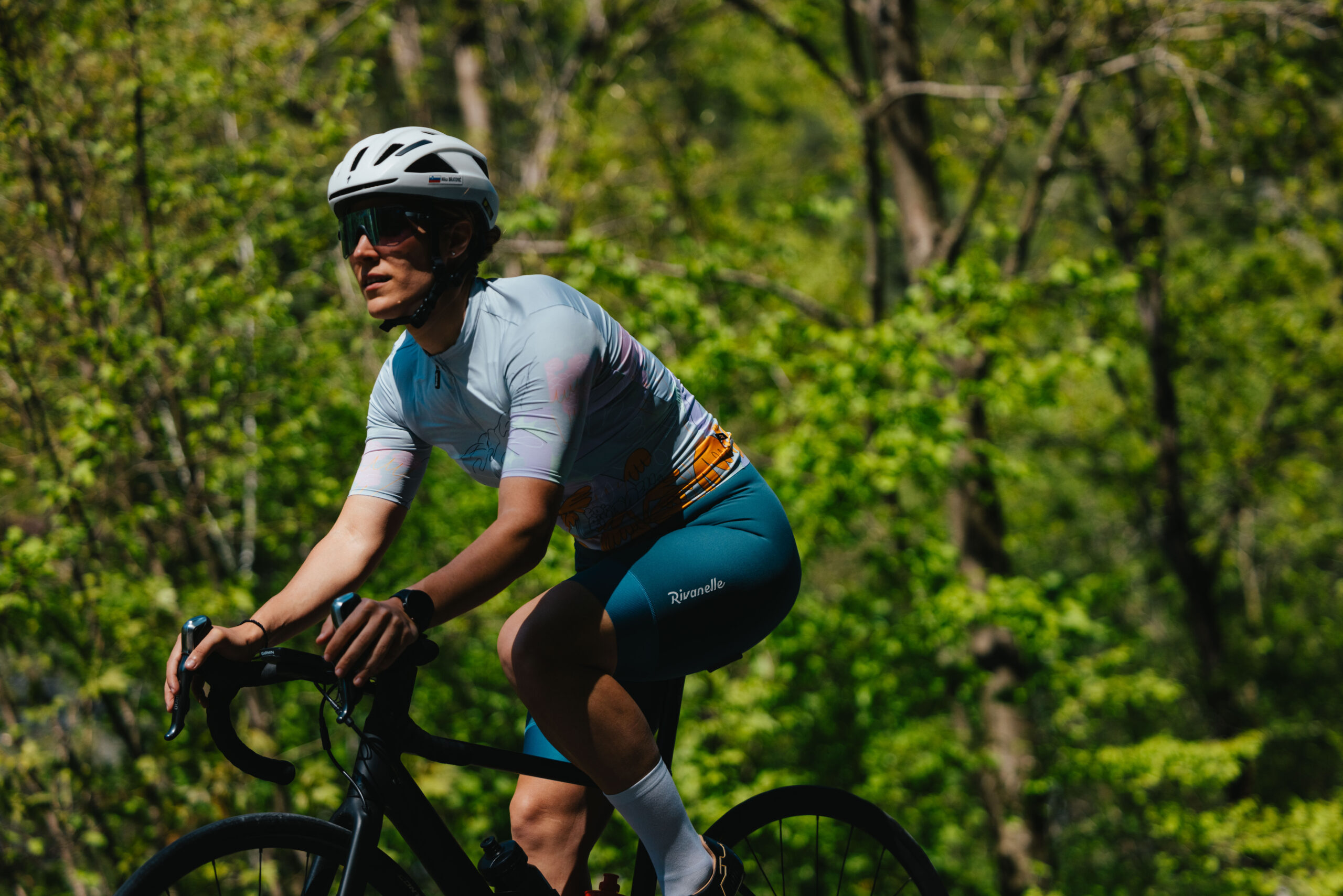
I want to start this post with a disclaimer: I am not a professional cyclist, I don’t have a coach, and nobody should model their training on mine without accounting for the fact that I have made a significant number of avoidable mistakes along the way that I’ll describe in some detail. What I do have is eight months of real, documented preparation for an event I am genuinely uncertain I can finish — and an honest account of what that preparation actually looked like.
November 2025: Why this was when I started
Starting structured training in November, for an event in late July, gave me nine months of preparation. This was deliberate, not because I’m especially organized, but because I knew — having ridden semi-long distances before — that the kind of fitness that sustains you across multiple days of 100km+ riding isn’t something you build in a month.
November also made sense for a less glamorous reason: it was when I registered, and I immediately felt the particular mix of excitement and low-grade panic that makes actually starting feel urgent. I’m grateful for that. The panic was good for the training calendar.
Phase 1: Building a Base (November 2025 – January 2026)
Mostly Zwift, mostly boring, mostly essential
For those who don’t know: Zwift is an indoor cycling platform where you ride a stationary trainer connected to your actual bike and navigate virtual courses with other riders from around the world. For me, truthfully, it is less exciting than real riding. It is also, truthfully, one of the most effective tools for building aerobic base fitness during winter months.
What I was doing:
4–5 sessions per week, most of them 45–90 minutes, at a relatively low effort level — what coaches call Zone 2, which means you should be able to hold a conversation throughout, meaning you feel like you’re barely doing anything useful, meaning this is exactly the right zone for building aerobic capacity.
No intervals, no racing features, no competing with strangers in those early weeks. Pure base building. Spinning the engine without revving it.
One longer weekend session, growing gradually from 90 minutes to 2+ hours over the course of the phase.
What I learned:
Zwift and similar platforms are actually excellent for beginners because it removes the variables — no traffic, no weather, no navigation anxiety — and lets you focus entirely on your effort and your consistency. The gamification (routes, achievements, other riders’ ghost avatars) does help on the days when willpower alone isn’t cutting it.
The Zone 2 base work felt under-challenging the entire time, which apparently meant it was working correctly. The physiological adaptation happens in the recovery, not the session, which is deeply unsatisfying to experience but well-supported by exercise physiology research.
Phase 2: Adding structure (February – March 2026)
Intervals, thresholds, and the joy of suffering on purpose
By February, the base was in place and the plan called for adding intensity. This is where training starts actually being hard rather than merely persistent.
What I was doing:
Interval sessions 2x per week — short, structured efforts at higher intensity with recovery periods between them. The most common format was what’s called an over-under: riding at or slightly above your threshold effort for a set period, then dropping slightly below, then back up. These are as unpleasant as they sound. Since I didn’t have a coach, I just took some advice from my fellow cyclists and did Zwift structured interval trainings. It’s not that scary, you just have to think of the amount of minutes, sets and power.
One threshold session per week — a sustained effort at a hard but maintainable intensity for 20–40 minutes. Imagine the effort level of “this is quite hard and I could sustain it, but I’m not enjoying the conversation I’m being asked to make.”
Long Zone 2 ride on weekends, still growing, reaching 3+ hours by the end of March. Also, whenever I didn’t feel like riding, Zone2 was ‘good enough’ and fit perfectly for my plan.
What I learned:
Intervals are one of those things that sound manageable in a plan and feel significantly less manageable while you’re inside one, especially in a warm room on a stationary trainer in winter with no wind and nothing to look at except a small avatar of yourself struggling up a virtual mountain. I started putting an old Yugoslav fan directly in my face during hard sessions. This helped more than expected.
The threshold work specifically translated to real-world climbing capacity faster than anything else I’ve done — the ability to sustain a hard effort for a long time is exactly the skill a mountain pass tests, and these sessions were building it in a condensed, efficient form.
PRO TIP: if Zone2 is too light, and you can multitask, you can also answer a lot of emails during the session.
Phase 3: Going outside (March – May 2026)
Cold rides, reality checks, and the gap between indoor and outdoor
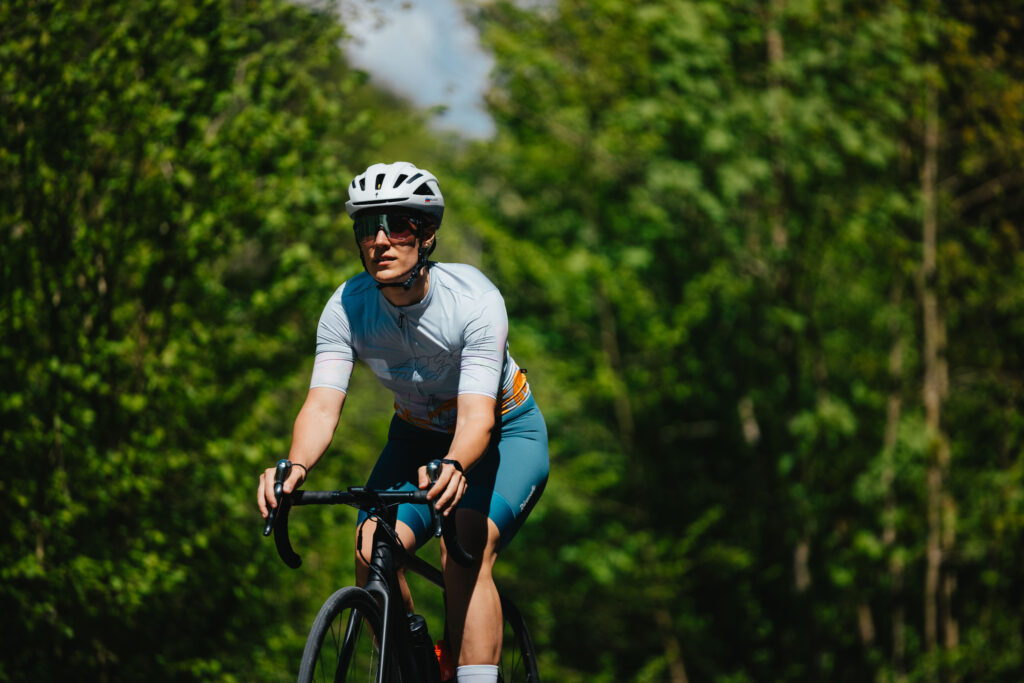
From March onward, I started splitting sessions between Zwift and actual outdoor riding. This was necessary and also humbling, because outdoor riding re-introduces approximately fourteen variables that Zwift had been helpfully removing from my life for four months.
What outdoor training in March looks like in Slovenia:
Cold. Occasionally icy on the road surface without warning. Low light on early mornings. Wind that doesn’t appear on any weather app until you’re in it. Layers that you immediately regret wearing on the first climb.
I rode outside when it was 10°C. I’m including this not for hero points but because it was genuinely important training: if NorthCape goes through northern Norway in late July/early August, parts of the route — particularly at altitude and near the Arctic — will be cold in ways that July doesn’t imply. Getting comfortable functioning on a bike in cold, grey, uncomfortable conditions is not optional preparation.
The longer outdoor rides:
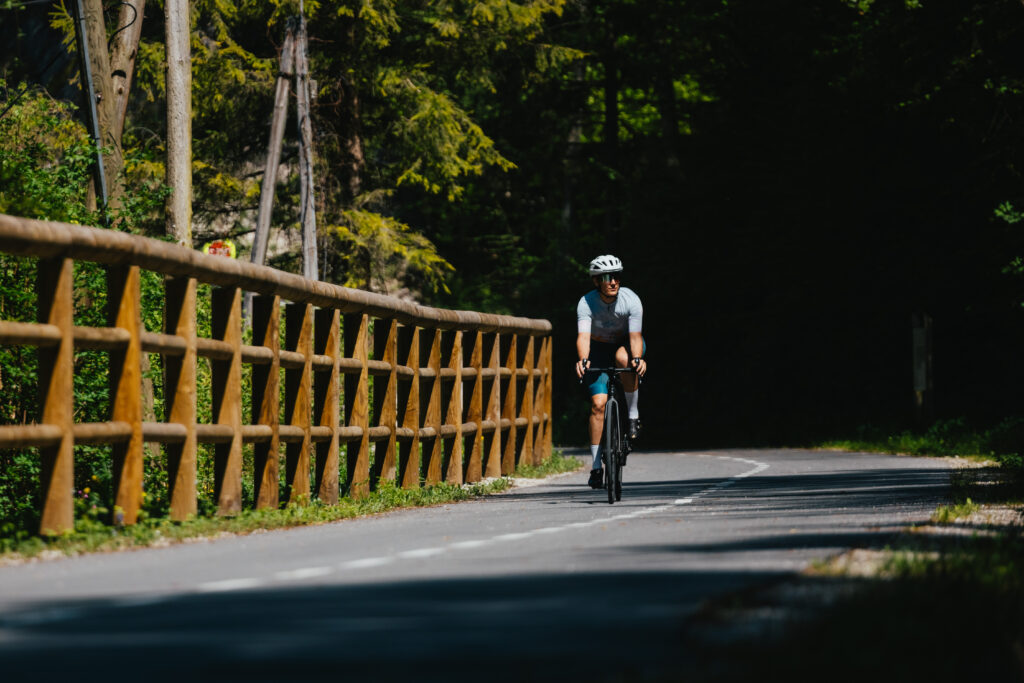
From April, I was targeting a 100km+ ride at least once per week, building to two per week in May and June. These rides are the closest thing to actual race simulation I can do in training — long enough that fueling and pacing and mental stamina all become real factors, not theoretical ones.
What I learned:
The gap between “can do 90 minutes on Zwift” and “can do 5 hours outside” is larger than it looks on a training plan and smaller than it feels on your first long outdoor ride. The body adapts; you just have to put the hours in and give it time to do so.
Phase 4: Multi-Day Events (May – July 2026)
The specific thing that changes everything
This is the training element that most beginner resources skip over, and it’s arguably the most important specific preparation for an event like NorthCape: training your body to ride back-to-back long days, not just individual long days.
A single 150km ride is hard. Riding 150km+, sleeping somewhere, and then doing it again the next day is a completely different physiological and psychological challenge — not just twice as hard, but qualitatively different. Your body is recovering while also being asked to continue performing, your nutrition and sleep management become critical daily logistics rather than occasional considerations, and the mental state at the start of day two after a hard day one is unlike anything a single-day training ride can replicate.
What I signed up for specifically:
I deliberately entered events that required multiple consecutive days of cycling with overnight stops — different formats, different distances, different terrains. Not all events, so I’ll keep this general, but the principle was: anything that gave me two to four consecutive riding days, with the logistics of “where do I sleep, what do I eat, how do I feel tomorrow morning” built in.
Human performance center training camp – a 4day trip with experts in nutrition and training. They helped me to analyse my nutrition, plan intervals and just gave me amazing amount od kudos as well as motivated me to tell more people about my adventure.
Solo back to back long riding in Istria, Croatia – this is where I got my reality check of selfplanning. In 2 days, I got cought up with the night, so that was a no-no.
DOS – a charity multiday event where I managed to do 700km+ in 5 days.
Bikepacking to Belgrade and back – visiting my hometown and my beautifull aunt that has been cheering me on my whole life seemed like the perfect zone2 trip.
Riding across Slovenia and back with a friend that is in the same mindset as I am and meeting with a lot of nice ladies from AWC community.
Bikepacking to Plitvice lakes and using the time to explore different routes.
What changed after these events:
Everything I thought I knew about fueling. On day one of a multi-day, I fueled approximately correctly. On day two, I paid for everything I’d slightly undereaten the day before, plus everything I hadn’t slept off properly, plus the additional demand of the cumulative fatigue. This is exactly the kind of learning you cannot get from a single long ride, however long. You have to do day two to learn what day one’s choices actually cost.
The ongoing training calendar (June – July 2026)
Now, in the weeks before the July 30th start date, the focus shifts from building fitness to maintaining it without accumulating fatigue going into the event. Coaches call this a “taper” — deliberately reducing training volume in the final weeks so the body arrives to the start line rested rather than depleted.
This is, psychologically, quite hard. Every instinct says “do more” when the event is approaching. The evidence says doing more now will make you slower, not faster, in Berlin on July 30th. I am trusting the evidence, somewhat against my instincts.
What this means for you (Whether you’re doing 10km or 10,000km)
The structure of this training block scales to any goal. The zones are the same whether your long ride is 20km or 200km. The principle of building gradually, adding intensity only after base is established, and specifically practicing multi-day efforts before a multi-day event applies regardless of the distances involved.
If you’re building toward a first long ride, a first bikepacking trip, or your first multi-day tour, the most important thing I’d take from eight months of this: specificity beats volume. Train for the specific demands of your event — not just “more fitness,” but the particular kind of fatigue, fueling need, and decision-making that your actual goal will require. That specificity is what actually prepares you.
Tips & Takeaways
Start your base before you think you need to. The fitness that carries you through long events is built slowly, over months, not compressed into the last few weeks. Start boring and early.
Zone 2 is underrated. Most beginners train too hard too often. Most of your volume should feel easy. Save the intensity for 2 sessions per week maximum, especially early on.
Indoor training in winter is a feature, not a compromise. Zwift, a trainer, your garage — consistent training in winter builds the base that outdoor spring riding rewards. Don’t skip winter because it’s not scenic.
Train back-to-back days specifically if your goal involves multiple consecutive riding days. Day two is a different challenge than day one. Practice it before the event.
Use long training rides to test everything — gear, nutrition, pacing, navigation. A 100km training ride is not just fitness work; it’s a logistics rehearsal.
Trust the taper. Doing less in the final 2 weeks before a big event is correct and uncomfortable. Do it anyway.
Document your training in your own words, not just numbers. How it felt is data. “This was the first ride where 100km didn’t feel enormous” is more useful information than average speed alone.
* Next in this series: How I Prepared the Gear — choosing, testing, and buying everything for 4,000km of unsupported riding, without losing my mind or my entire budget in the process.
Leave a Reply